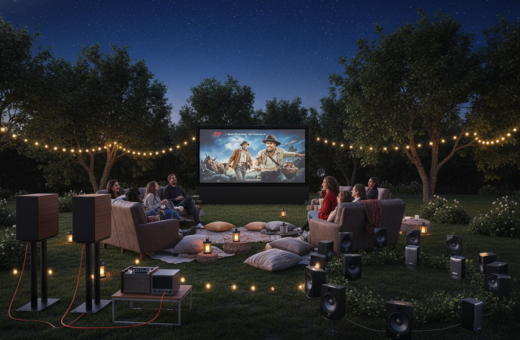
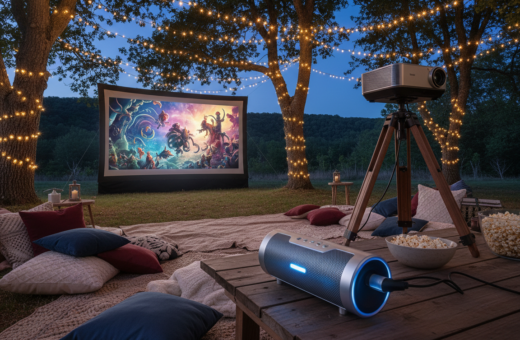
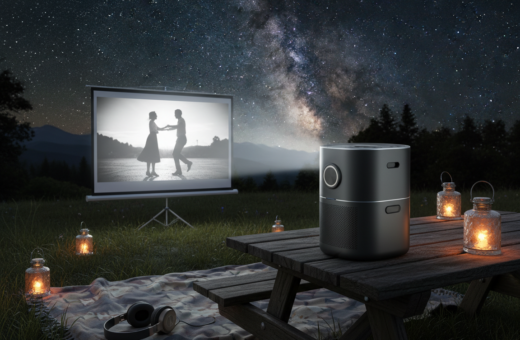
XGIMI Tech published a comprehensive projector audio guide on March 27, 2026, to help users improve their cinematic experiences. When setting up a temporary outdoor cinema, choosing the right portable soundbar for projector system can make a visible difference in clarity and impact.
Modern projectors often lack the volume and depth needed for open-air viewing. Built-in speakers are designed for mobility, not immersive audio, and they struggle to fill larger spaces.
Adding a compact external unit delivers clearer dialogue and stronger effects. Pairing the projector with dedicated speakers and an HDMI-capable audio device helps create a more professional, theater-like atmosphere outdoors.
Proper audio planning lets hosts overcome a projector’s limits and ensures every viewer enjoys balanced, clear sound during backyard screenings and pop-up events.
Why Your Projector Needs an Audio Upgrade
Most projectors focus on image output and leave audio performance as an afterthought. That design choice limits how well a unit fills a room with clear, impactful sound.
Limitations of Built-in Speakers
Built-in speakers are compact and lack power. They struggle with low bass and dynamic peaks. In larger rooms or dedicated home theater spaces, they simply cannot compete with a dedicated system.
- Dialogue can become muffled during action scenes.
- Projectors prioritize image hardware over speaker size and placement.
- Standard units cannot decode a true surround sound mix.
Enhancing Dialogue Clarity
Upgrading to an external audio device restores clarity. A well-matched soundbar projector integration improves speech intelligibility and detail.
Investing in external speakers reduces frustration from muffled lines and makes movie nights feel more cinematic. Better audio brings the story forward and completes the viewing experience.
Essential Connectivity Options for Your Portable Soundbar for Projector
Choosing the right connection type determines whether the setup delivers clean, synchronized audio during outdoor movie nights. The next few paragraphs explain the trade-offs and best practices for common links between devices and speakers.
HDMI ARC and eARC Benefits
HDMI eARC gives the highest audio quality and supports advanced formats like Dolby Atmos. It simplifies command and control and reduces cable clutter.
Optical Audio Reliability
Optical (Toslink) offers a steady, interference-free digital output. It is a solid choice when eARC is not available and keeps dialogue clear across large outdoor spaces.
Bluetooth Latency Challenges
Wireless Bluetooth is handy but often adds delay. That lag can cause lips to fall out of sync with video and spoil immersion.
- Use HDMI eARC when available to ensure top audio quality and compatibility.
- Choose optical as a reliable fallback for clear audio output.
- Prefer wired links over Bluetooth to avoid sync problems during playback.
Key Factors to Consider Before You Buy
Confirm which audio outputs your projector offers so you won’t need an unexpected audio extractor later.
Match output types. Check whether the unit has HDMI, optical, or analog ports. That determines cable choices and sync reliability.
Consider room size and overall power. A small backyard or living room needs less amplifier power than an open lawn.
Measure physical size to ensure the speaker fits your stand and keeps the setup tidy. Bulky units can block vents or remote sensors.
- Look for features like night modes and dialogue enhancement to improve clarity.
- Decide if a subwoofer is needed — it adds bass but requires compatible power in the system.
- Compare current deals and confirm shipping and the retailer’s privacy policy before purchase.
“A clear plan that maps ports, power and placement prevents common setup mistakes.”
Final tip: review the manufacturer’s policy and test return options. That safeguards both privacy and your investment.
Budget Friendly Soundbar Solutions for Small Spaces
Affordable audio upgrades deliver clear dialogue and fuller bass, ideal in compact viewing areas. Small homes and dorm rooms benefit most from a compact system that balances size and performance.
Best Entry Level Features
Clarity and simple setup matter more than extra channels in tight rooms. Entry models often include an HDMI or optical connection to keep audio synced and easy to control.
Remote control and basic tone presets let users tweak settings without leaving the seat. Many budget units also package virtual surround sound to create a wider stage without extra speakers.
- Improved bass response without a large subwoofer keeps size and power manageable.
- Bluetooth support adds wireless playback for music and casual use.
- Check shipping policy and support to ensure fast delivery and easy returns.
“A compact unit with good connectivity beats built-in speakers in almost every small-room scenario.”
Mid Range Audio Systems for Immersive Movie Nights
Mid-range audio systems strike a smart balance between size, price, and movie-night performance. They upgrade sound quality without demanding a large room or high power handling.
The Kanto REN, priced at $599, pairs a 5.25-inch woofer with a 1-inch silk dome tweeter to deliver clear dialogue and accurate midrange. Klipsch The Nines add an 8-inch high-excursion woofer for deep, musical bass that enhances action scenes and effects.
Connectivity matters. Many mid-range systems include HDMI and optical outputs to match common video devices and ARC setups. They often support wireless Bluetooth streaming when users want music between movies.
Placement and power are essential. A correctly positioned subwoofer and balanced speaker layout yield the best surround sound feeling in medium rooms.
- Choose models with multiple connection options for broad compatibility.
- Check shipping and return policy to protect the investment.
- Prioritize sound quality and room-fit before extra features.
“Mid-range gear gives dramatic gains in clarity and bass without the complexity of high-end systems.”
Explore recommended mid-range options like mid-range options to find the right mix of performance and price for their setup.
Premium Soundbar Picks for Dedicated Home Theaters
CWhen the goal is true cinematic immersion, investing in top-tier audio gear pays off immediately.
The Sonos Arc Ultra is a standout premium option. It uses a 14-driver, 15-amplifier array to reproduce Dolby Atmos with impressive detail and bass without an added subwoofer.
Dolby Atmos performance relies on precise imaging and height channels. High-end units like this one extract subtle cues and place effects around the room to enhance any projector’s image.
Dolby Atmos Performance
Using an HDMI eARC connection is essential to preserve high-bandwidth audio and the audio return channel. This ensures the lossless paths that Atmos mixes need for full dynamic range.
Modular Upgradability
Premium systems often allow modular growth. Owners can add wireless rear speakers or a dedicated subwoofer later to refine surround and low-end power.
- Flexible setup: add speakers over time to match room size and performance goals.
- Advanced features: multi-room wireless and room tuning improve sound quality across the home.
- Connectivity: hdmi eARC delivers the best output and audio return channel performance.
Proper placement and calibration transform a high-end unit into a cinematic centerpiece, giving the theater room the clarity and surround presence enthusiasts expect.
Wireless Audio Considerations for Outdoor Setups
A strong Bluetooth range and long battery life are critical when building an open-air viewing setup. The Ultimate Ears EVERBOOM offers a 180-foot Bluetooth range and roughly 20 hours of battery life, making it a reliable candidate for backyard movie nights.
Wireless delivery removes the need to run a long HDMI cable across the lawn. That keeps the area safer and the install cleaner.
Still, Bluetooth can add slight latency. Small delays may cause video and sound to drift out of sync during fast dialogue scenes.
- Choose units with strong bass so sound carries in open air without a subwoofer.
- Test the connection in the actual viewing spot to reduce interference from Wi‑Fi and other devices.
- Consider Dolby Atmos or virtual surround options if immersive sound is a priority.
Tip: a high-quality wireless soundbar projector combo simplifies setup and keeps audio consistent. For more curated options, see these best soundbar options.
Common Pitfalls to Avoid During Installation
Small installation errors often cause the biggest headaches when pairing speakers with a projector.
Manage room acoustics. Hard surfaces can make midrange harsh and bass muddy. Try soft furnishings or temporary panels to tame reflections and improve clarity.
Practical checks to run before finalizing placement
- Secure the HDMI and other cable connections to stop intermittent audio dropouts.
- Verify the projector’s audio output and any device settings so video and sound stay in sync.
- Test surround sound performance before locking speaker positions in a home theater layout.
- Program the remote correctly to avoid control conflicts between devices.
- Keep cables neat to prevent tripping and preserve a professional-looking setup.
Remember: review the manufacturer’s privacy policy when registering a device, and consult support docs if compatibility issues arise.
“A quick test of placement and connections saves time and avoids costly returns.”
For a deeper look at common mistakes and how to avoid them, see this installation pitfalls guide.
Conclusion
Good audio design bridges the gap between an average screening and a true home cinema experience. A clear plan that matches room size, budget, and connectivity turns a basic projector into a more engaging setup.
Choose a unit that prioritizes dialogue clarity and balanced bass. The right soundbar and speakers will unlock richer detail and improve surround impact without overcomplicating setup.
Whether using HDMI for the best sync or Bluetooth for outdoor ease, test placement and acoustics before finalizing. A well-matched projector soundbar pairing keeps movies immersive and reliable for years of home entertainment.