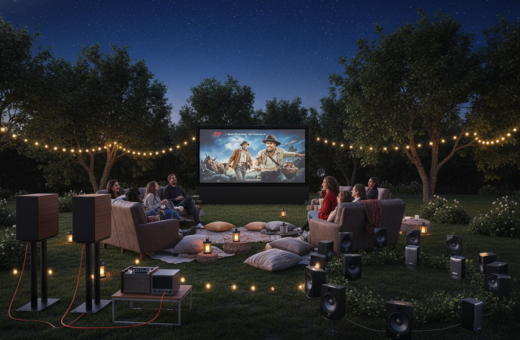
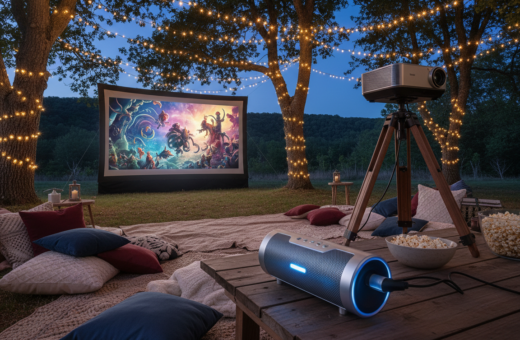
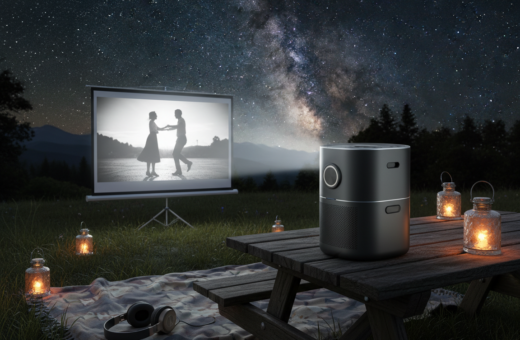
Homeowners often grab a pair of indoor speakers for a backyard gathering, but that choice can be costly. Craig Walker warned on May 21, 2024, that moving home audio into the yard exposes equipment to moisture, temperature swings, and dust that harm performance.
In a controlled room, sound stays consistent. Outside, unpredictable elements can degrade sound quality fast. Even a single night left unattended can cause permanent material damage and reduced audio life.
This guide aims to explain why dedicated outdoor use is the smarter investment. It shows how proper gear preserves sound, protects the speaker, and keeps music clear for future events.
For anyone who enjoys music beyond the living room, the takeaway is simple: occasional convenience is not worth risking long-term quality. Professional outdoor options prevent costly replacements and maintain a reliable listening experience.
The Risks of Using Indoor Speakers Outdoors
Outdoor conditions can turn a fine home audio setup into a fragile one overnight. Moisture from rain or high humidity will swell MDF cabinets and make veneers peel. That rot often ends a speaker’s life fast.
The sun and wide temperature swings damage paper-based drivers, which hurts sound quality and reduces bass and clarity. Dust and water also clog ports and corrode connections, so a speaker that sounded great at home can degrade quickly in a garden or on patios.
- Moisture and rain warp cabinets and rot MDF enclosures.
- Sun and heat break down drivers, ruining music fidelity.
- Dust, water, and lack of weather resistance speed material failure.
For safe outdoor use, choose a purpose-built outdoor speaker or keep home audio inside. That way, sound quality and gear longevity stay protected from harsh weather and the elements.
Why Indoor Audio Equipment Fails in Open Spaces
When walls and ceilings disappear, a typical home audio setup can no longer rely on predictable acoustics. The Encyclopaedia Britannica notes that sealed spaces shape reflection and absorption. Without those boundaries, sound loses the reflections that give clarity and bass weight.
Acoustical challenges
Open gardens and patios spread sound thin. An indoor speaker designed for a living room cannot fill a wide space with even coverage. Ambient noise and lack of reflected sound lead to weak bass and poor sound quality.
Electrical safety hazards
Wiring and connections on a home system are rarely weatherproof. Rain, water, or dust can cause shorts and corrosion. That raises the risk of failure and potential injury during outdoor use.
- Non-waterproof cables can fail in wet weather.
- Indoor designs lack the power and sensitivity to cover large spaces.
- Proper installations bury cables to protect against dust and water.
For reliable results, choose purpose-built outdoor speakers or install weather-rated solutions to protect sound and power integrity.
Technical Differences Between Indoor and Outdoor Speakers
Open-air audio demands design that goes beyond a typical home stereo. Engineers plan for wider dispersion patterns so sound carries across yards and patios. That helps keep music clear even as reflections disappear in open spaces.
Key engineering changes include weatherproof enclosures that guard against water, dust, and sun damage. Drivers and crossovers are tuned to maintain balanced bass and treble in a large space.
- Higher power ratings to preserve sound quality at distance.
- Rugged materials and seals to resist moisture and grit.
- Mounting options—like placement under eaves—to improve installation durability.
“Outdoor systems trade room acoustics for projection and durability, so components are built for the elements.”
Practical note: If someone considers a temporary solution, read the guide on can indoor speakers be used outdoors before they risk gear damage.
The Importance of Weather Resistance and Durability
Durable construction is the difference between a backyard system that lasts and one that doesn’t. Quality outdoor speakers pair rugged shells with smart grilles to guard the drivers from moisture and grit.
Materials and Enclosure Design
UV-resistant plastics and fiberglass shells resist sun and heat. Those materials prevent warping and keep the cabinet stable through seasonal swings.
A tight enclosure blocks rain, water, and dust from reaching delicate parts. That protection preserves sound clarity and bass performance over time.
- Rugged enclosures shield the audio system from moisture and the elements.
- Sealed grilles and treated cones stop corrosion of the speaker drivers.
- Engineered designs give even coverage across patios and yards.
Choosing high-resistance options reduces failures and keeps music reliable. In short, investing in proper weather resistance and durable design saves money and preserves performance for years.
Better Alternatives for Your Outdoor Audio Setup
Better outdoor listening begins with gear designed to handle weather, power demands, and coverage. A few tailored choices deliver far better sound and longevity than conventional home gear left outside.
Dedicated Outdoor Speaker Systems
Purpose-built systems blend into a garden or patio and resist rain, sun, and dust. Rock-shaped designs and mounted models provide even sound coverage and full bass without compromise.
For professional results, Encore Audio Video Designs offers full installation to integrate subwoofers and all-weather devices across a backyard.
Portable Party Speakers
Portable units deliver power and flexibility for social spaces. Models like the Klipsch Gig and Eltax Voyager give the punch needed to enjoy music at a garden party while remaining easy to move.
High-Quality Portable Audio
High-end portable systems combine durability with clear sound quality. They resist water and dust and let hosts host confidently without risking costly gear failure.
“Modern outdoor technology ensures reliable sound so a party runs smoothly.”
For a roundup of tested options, see the guide to the best outdoor speakers.
Best Practices for Temporary Outdoor Use
A quick, well-planned setup reduces the odds of ruining a speaker overnight. For a short garden party, choose a dry, covered spot to limit exposure to rain and direct sun.
Never leave units unattended. Bring equipment back inside immediately after the event to prevent moisture, dust, and humidity from degrading materials and sound quality.
Keep gear off the ground. Placing speakers on stands or tables reduces the risk of water splash and yard debris. Manage cables to avoid tripping hazards and to protect connectors from water and wear.
- Place the system under an awning or canopy when possible.
- Use weather-resistant cable covers for short runs across lawns or patios.
- Limit volume to avoid stressing drivers that are not designed for open spaces.
If music outdoors is frequent, invest in purpose-built outdoor speakers or a weather-rated installation. Those options offer better weather resistance, durable materials, and design tuned for space coverage.
Conclusion
Choosing the right gear makes the difference between a night of music and a costly repair.
As Alex Even from 5 Core explains, the correct equipment delivers a superior audio experience and protects investments. Indoor models are precision-engineered for controlled rooms, while purpose-built outdoor audio provides reliable performance in open spaces.
Protecting gear means recognizing that home systems cannot withstand weather, moisture, and temperature swings without risk. For long-term enjoyment, upgrade to dedicated outdoor speakers designed to resist the elements and keep sound consistent.
Follow these guidelines and your music will stay clear, your equipment will last longer, and your listening experience will remain dependable for years.